


How to Build Simple Business Dashboards That Actually Get Used

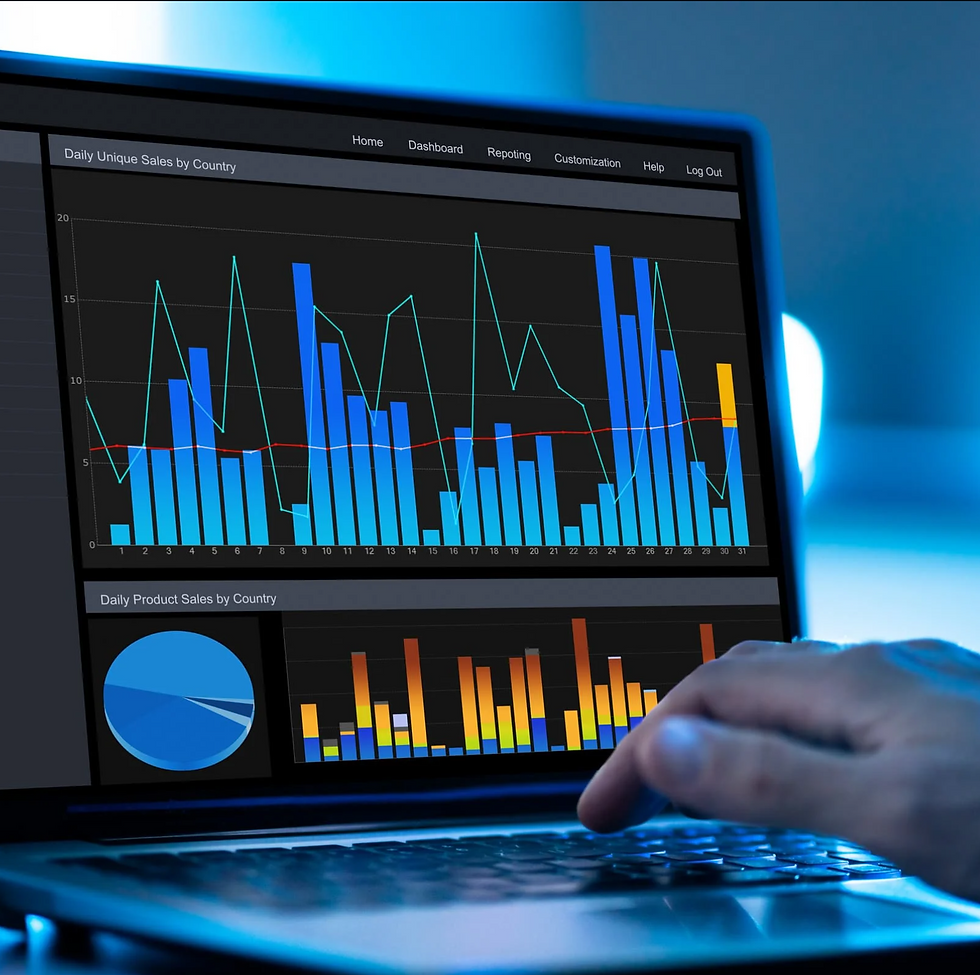
Most businesses aren’t short on data.
They’re short on clarity.
Numbers live in CRMs, accounting software, spreadsheets, and analytics tools. The problem isn’t access—it’s visibility. When everything is tracked but nothing is clearly seen, decisions slow down or rely on gut instinct.
At INFINITE UPSIDE™, we believe dashboards should simplify thinking, not add noise. A good dashboard doesn’t impress—it informs.
The Problem With Most Dashboards
Many dashboards fail for the same reasons:
Too many metrics
Too much detail
Too many tabs
Built once and never checked
When dashboards feel like homework, they get ignored.
What a Simple Dashboard Actually Does
A useful dashboard answers a few core questions quickly:
Are things improving or declining?
Where should attention go next?
Is action required—or not yet?
If it can’t answer those questions in under a minute, it’s too complicated.
What You Should Track (And What You Should Ignore)
Start with restraint.
For most small and growing businesses, 3–5 metrics is enough.
Common examples:
Leads or inquiries
Conversion rate
Revenue or pipeline value
Output or activity volume
One core KPI tied to your main goal
If everything feels important, simplify further.
Where to Build Your Dashboard
You don’t need specialized software.
Good options include:
Google Sheets – Flexible, fast, and familiar
CRM Dashboards – Ideal if sales and leads drive your business
Accounting or Reporting Tools – Useful for revenue-focused views
The tool matters less than the habit of checking it.
The INFINITE UPSIDE™ Perspective
Dashboards don’t create results.
They create awareness—and awareness changes behavior.
Clarity beats complexity every time.
When you see the business clearly, decisions get easier and stress goes down.
Action You Can Take Today (30 Minutes)
You don’t need a full analytics project.
Choose 3–5 metrics that truly matter
Pick one place to view them
Build a single-page dashboard
Set a weekly review time
That’s enough to change how you operate.
Closing Thought
The goal of a dashboard isn’t control—it’s confidence.
When you know what’s happening, you stop guessing. When you stop guessing, you make better decisions faster.
Design dashboards that serve you—not the other way around.
That’s INFINITE UPSIDE™.


Comments